
Evaluate the Forces That Predict Market Success
See the environmental, infrastructure, and market forces that shape long-term value.
- •Identify risks that do not show up in zoning alone
- •Understand infrastructure, access, and local constraints
- •Evaluate whether the location supports growth or limits returns
From Surface-Level Location to Deep Structural Analysis
Four intelligence layers reveal what will amplify or suppress your project's long-term value.
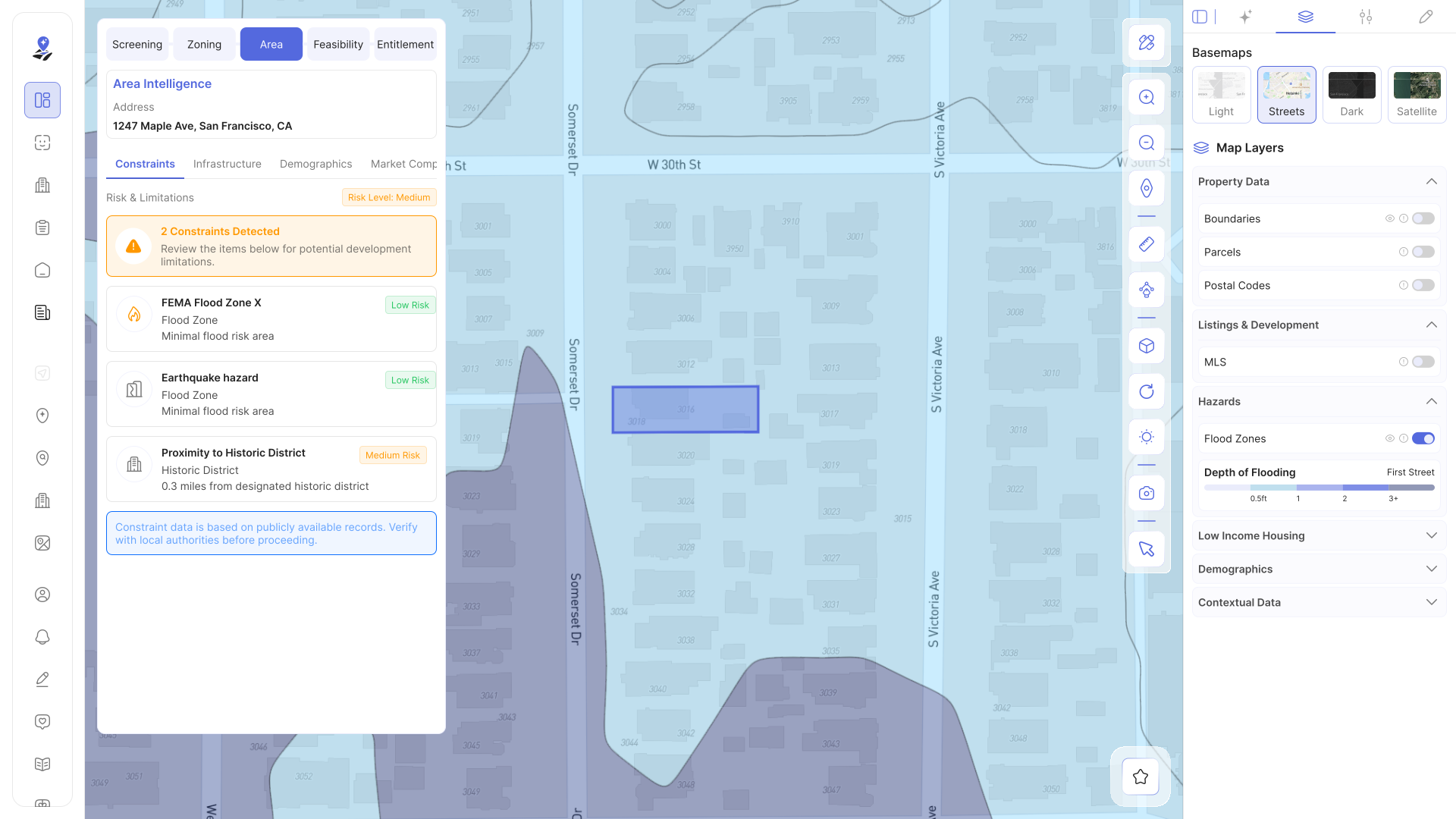
Hazards
- •Flood zones, wetlands & drainage risks
- •Seismic hazard zones & fault proximity
- •Soil contamination & geotechnical flags
- •Slope analysis & grading cost indicators
- •Environmental protection overlays
Environmental surprises are the #1 cause of deal delays. Know the risks before you commit.
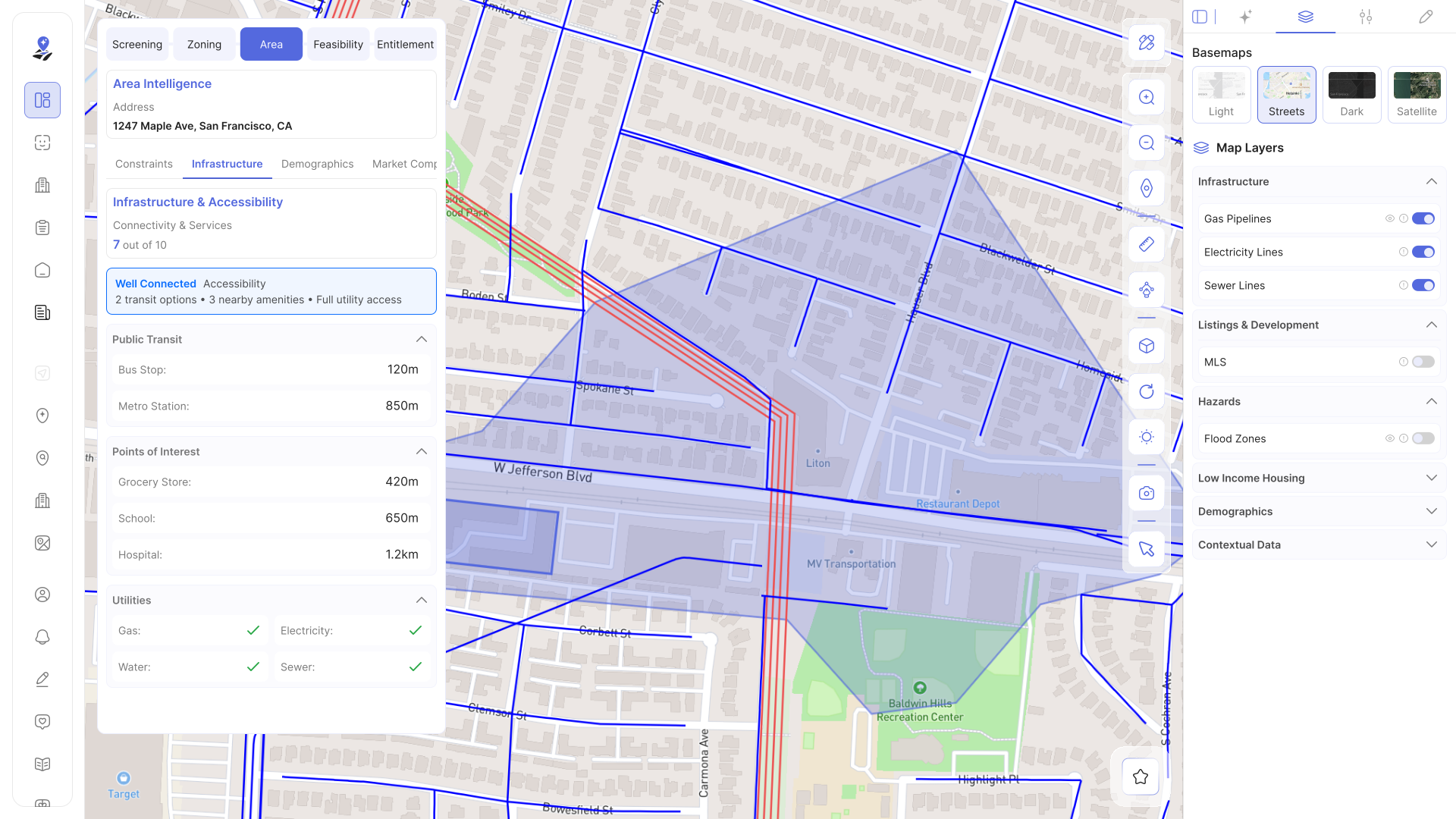
Infrastructure
- •Water, sewer & utility capacity
- •Street improvements & planned road projects
- •Transit access & planned expansions
- •Broadband & telecom availability
- •Required off-site improvements
Infrastructure gaps discovered late add cost, delay timelines, or kill projects entirely.
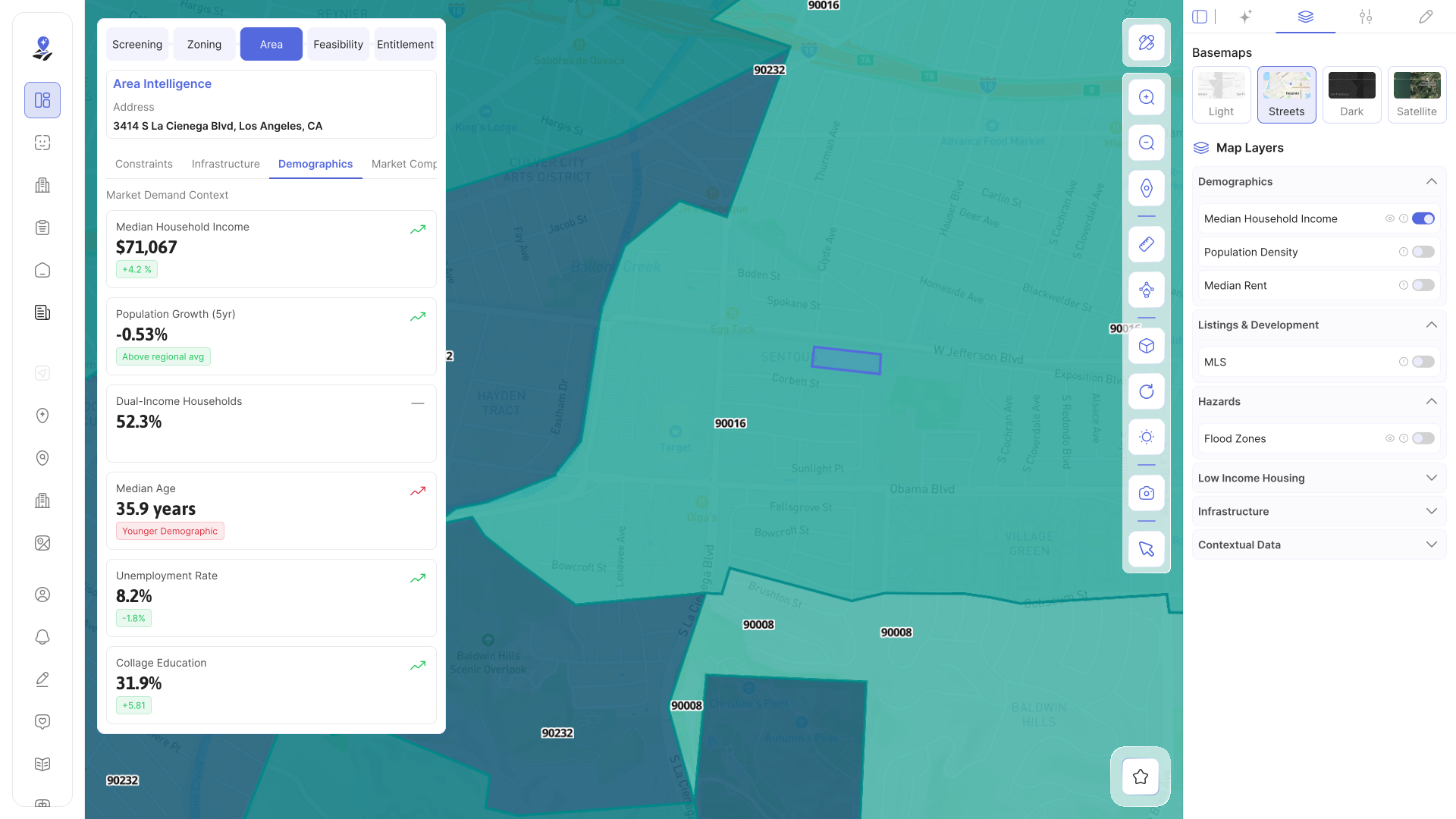
Demographics
- •Population growth & household trends
- •Income levels & employment sectors
- •School district quality & enrollment
- •Walkability & amenity access
- •Crime trends & safety data
Demographics drive demand. Building the wrong product for the wrong population destroys value.
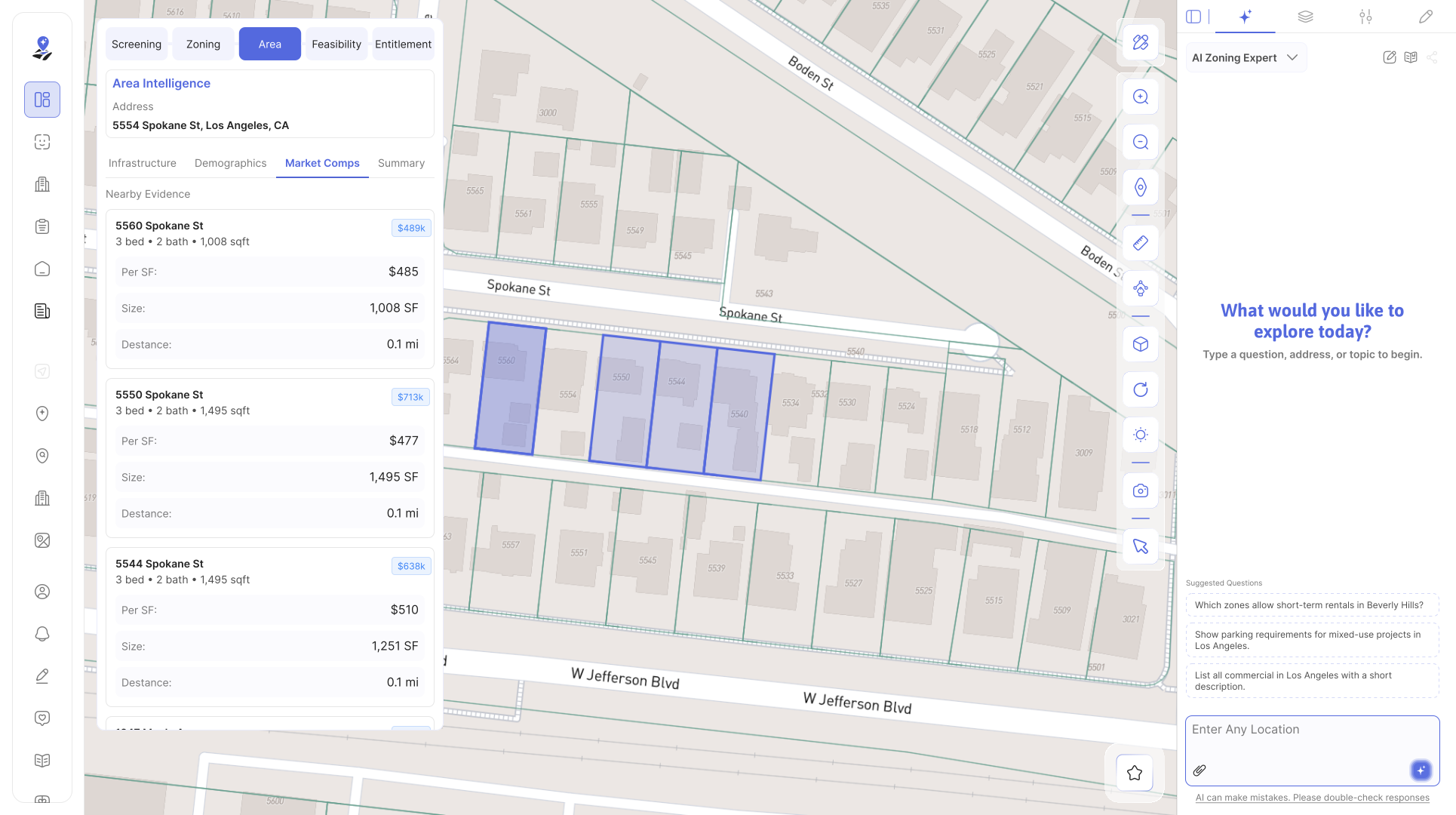
Market Comps
- •Development pipeline & absorption rates
- •Rental vacancy & rent growth trends
- •Home prices & days on market
- •Land value appreciation patterns
- •Competing projects within radius
Market timing determines whether your project succeeds or saturates an overbuilt submarket.
Where Area Intelligence Comes From
Data from 50+ authoritative sources, processed and structured for actionable insights.
Government & Municipal Sources
- •USGS (topography, geology, seismic)
- •FEMA (flood zones, disaster data)
- •EPA (environmental, contamination sites)
- •Census Bureau (demographics, economics)
- •BLS (employment, labor data)
- •Local planning departments (permits, approvals)
Infrastructure Providers
- •Utility companies (capacity data)
- •Transit agencies (routes, ridership, plans)
- •DOT (road projects, traffic studies)
Environmental & Geospatial
- •LIDAR elevation data
- •Wetland mapping
- •Soil surveys
- •Satellite imagery
- •Seismic hazard databases
Real Estate & Market Data
- •MLS and CoStar (comps, pipeline)
- •Permit tracking services
- •Development databases
- •Transaction records
School & Demographics
- •School district reports
- •Test scores and ratings (GreatSchools)
- •Enrollment data
- •Demographic forecasting models
Political & Regulatory
- •Planning commission records
- •Neighborhood organization activity
- •Approval/denial outcomes
- •Policy change tracking
How We Process It: Raw Data → Structured Intelligence
Aggregation
Collect from 50+ data sources
Geocoding
Link all data to specific parcels
Analysis
Run algorithms to identify trends, risks, opportunities
Scoring
Quantify qualitative factors
Area Intelligence Confirms Your Location Thesis
See how Area Intelligence fits into ArchiWise solutions framework for confident development decisions.
Complete Decision Example
You've found a site: R-4, 12,000 SF, can build 28 units with density bonus
Area Intelligence Validates:
Every structural force is working in your favor. Commit capital with confidence.
Developer Success Stories
"Site was beautiful, flat, easy access. Area Intelligence flagged it as 100-year flood zone. Insurance quotes came back 3x higher than normal. Financing fell through. If we'd discovered this after removing contingencies, we'd have lost $180K in earnest money plus consultant fees. Area Intelligence saved our deal-we walked early."

"We were planning 2BR/2BA units for young families. Area Intelligence showed the median age dropping and tech employment growing 40%. We pivoted to studios and 1BR for young professionals. Leased at $200/month higher than family units would have commanded. Demographic intelligence was worth millions."

"Sewer capacity issue would have cost $350K in off-site improvements. We didn't know until Area Intelligence flagged it. Showed seller the report. They had no leverage-knocked $300K off purchase price. We budgeted for the work and project still penciled. Without that intelligence, we'd have been stuck."

Frequently Asked Questions
Most data sources update monthly or quarterly. Critical infrastructure and regulatory data refreshes continuously. We show "last updated" dates for each data layer so you know how current the information is.
Stop Building in the Wrong Places. Build Where Structural Forces Support Value.
Join developers who analyze 100+ data points per location and make investment decisions based on intelligence, not intuition.